Introduction
AI lead generation is transforming how sales teams build and convert pipeline. Tasks that once required hours of manual effort identifying companies, finding decision-makers, verifying contact details, and drafting outreach are now completed in minutes by AI-driven systems. This shift replaces slow, manual workflows with fast, automated execution.
AI works because it can analyze thousands of data points simultaneously, detect patterns humans often miss, and perform repetitive tasks without fatigue or delay. As a result, sales teams across the US, UK, Canada, Australia, and New Zealand are booking more meetings, improving lead quality, and reducing time spent on non-selling activities.
This guide explains how AI automates prospecting, the core systems behind AI lead generation, and how modern sales teams can apply these capabilities effectively in 2026 to build predictable, scalable pipelines.
What Is AI Lead Generation?
AI Lead Generation is the use of artificial intelligence to identify potential buyers, enrich their data, score intent, and prepare leads for outreach automatically. It replaces manual prospecting with systems that work continuously and at scale.
Cause → Effect: AI identifies prospects faster → sales teams spend more time speaking with qualified, sales-ready leads.
What AI Lead Generation Includes?
Finding ICP-fit companies based on firmographic and technographic data
Identifying decision-makers relevant to the buying process
Enriching profiles with company, role, and context data
Validating emails to reduce bounce rates and improve deliverability
Scoring leads using fit and intent signals
Writing outreach messages personalized to each prospect
Managing follow-ups automatically across channels
AI turns prospecting into a predictable, repeatable system. Teams move faster with higher lead quality and less manual effort.
Why Are Sales Teams Switching to AI Prospecting?
Sales teams are rapidly moving to AI prospecting because manual prospecting no longer scales. Traditional methods spreadsheets, static databases, and manual research are slow, inconsistent, and costly. Reps spend more time finding and fixing data than engaging real buyers, which directly limits pipeline growth.
Fact: AI-driven prospecting can reduce research and sourcing time by 80–90%.
AI prospecting replaces fragmented tools with a single, intelligent system that continuously finds, enriches, validates, and prioritizes prospects. Instead of reacting to outdated lists, teams work from live, high-quality data that updates automatically as markets, roles, and signals change.
Core Benefits of AI Prospecting
Faster list building: Identifies ICP-fit accounts in minutes, not days
Better accuracy: Validates contacts and removes outdated records automatically
Cleaner data: Reduces bounces and CRM pollution
Automated follow-ups: Ensures no lead is missed due to human delay
Personalized messaging: Uses real context instead of generic templates
Scalable workflows: Increases output without adding headcount
AI prospecting turns lead generation into a predictable system rather than a manual effort. The outcome is more qualified pipeline, lower cost per lead, and significantly less manual work for sales teams.
How AI Finds ICP-Fit Companies Automatically
AI finds ICP-fit companies by scanning global business databases and applying intelligent filters based on your Ideal Customer Profile. Instead of relying on assumptions or manual research, AI evaluates structured data and live signals to identify companies that truly match your target criteria.
Cause → Effect: Better ICP filters → better lead lists → stronger outreach performance.
AI continuously refines these filters based on performance data, ensuring your prospect list improves over time rather than going stale.
Data AI Uses to Identify Companies
Industry: Matches companies operating in relevant sectors
Company size: Filters by employee count aligned with your pricing and use case
Annual revenue: Ensures budget and buying power fit
Tech stack: Identifies tools already in use or gaps your product fills
Geography: Targets regions you actively sell into
Funding: Detects growth-stage companies more likely to buy
By relying on data-driven signals, AI removes low-fit accounts early. This keeps outreach focused on companies most likely to convert.
Related Reading : Intent Data vs Firmographic Data: What US SaaS Sales Teams Should Use
How AI Identifies the Right Decision-Makers
After identifying ICP-fit companies, AI pinpoints the exact decision-makers who influence or approve buying decisions. Instead of guessing titles or scraping outdated lists, AI scans LinkedIn, public company data, org charts, and live datasets to find people who actually match the buying role today.
Cause → Effect: Correct contact → higher response rates → faster meetings and shorter sales cycles.
AI continuously verifies roles and seniority, ensuring outreach reaches people with real authority rather than generic inboxes.
Decision-Maker Roles AI Finds
VP of Sales: Owns revenue targets and sales strategy
Director of Sales: Manages execution and team performance
RevOps Manager: Oversees systems, tooling, and process efficiency
Chief Revenue Officer (CRO): Makes strategic buying decisions
Sales Manager: Influences tools used by frontline teams
Founders / CEOs: Decision-makers in early-stage or SMB companies
By targeting the right people from the start, AI eliminates wasted outreach. Sales teams engage decision-makers sooner and move conversations forward faster.
How AI Enriches Lead Data in Real Time
AI enriches lead data by continuously pulling live, up-to-date information from multiple sources and attaching it to every prospect profile. Instead of relying on static records, AI refreshes details as roles change, companies grow, or new signals appear making outreach timely and relevant.
Fact: Enriched leads convert 2.4× faster than non-enriched leads.
Real-time enrichment ensures sales teams always work with accurate context, which directly improves personalization, reply rates, and deliverability.
Data Points AI Adds
Verified email: Confirms deliverable contact details
LinkedIn profile: Validates role, seniority, and career history
Job history: Provides context for tailored messaging
Funding alerts: Signals growth, budget, and urgency
Tech stack: Identifies tools in use and integration opportunities
Website activity: Reveals interest and buying intent
With real-time enrichment, every message is based on current reality, not outdated assumptions. This makes outreach more relevant, credible, and conversion-focused.
Enrichment Guide → How Agentic AI Uses Real-Time Lead Enrichment to Improve Sales Accuracy
How AI Scores Leads Automatically
AI scores leads by analyzing multiple signals at once to estimate how likely a prospect is to buy. Instead of relying on static rules or manual judgment, AI models continuously evaluate fit, behavior, and timing to prioritize the most sales-ready leads.
Fact: AI-driven lead scoring increases booked meetings by 22–40%.
AI scoring updates in real time. As a prospect engages, changes roles, or shows new intent, their score adjusts automatically ensuring sales teams always focus on the right opportunities.
Signals AI Uses
ICP match: Alignment with your ideal industry, size, and use case
Seniority: Decision-making authority and influence level
Company growth: Hiring, funding, and expansion indicators
Tech adoption: Tools in use and readiness for change
Intent signals: Searches, content engagement, and buying behavior
Website behavior: Visits to pricing, product, or demo pages
AI scoring removes guesswork from prioritization. High-intent leads surface automatically, helping teams move faster and close more deals.
How AI Validates Emails and Removes Bad Contacts
AI validates emails in real time to prevent bounces, protect sender reputation, and improve inbox placement. Instead of sending to unverified addresses, AI checks deliverability before outreach and removes risky contacts automatically.
Cause → Effect: Better email validation → stronger sender reputation → higher inboxing and reply rates.
Validation runs continuously, so lists stay clean as domains expire, roles change, or providers tighten filters.
AI Validation Checks
MX records: Confirms the domain can receive email
Catch-all domains: Flags risky addresses that often bounce later
Disposable emails: Removes temporary or low-quality inboxes
Role-based emails: Filters generic addresses (e.g., info@, sales@)
Deliverability score: Predicts inbox vs spam likelihood
Clean validation reduces bounces and spam complaints. Outreach reaches real inboxes with higher confidence.
👉 Learn: How to Clean and Validate a B2B Email List for US Requirements
How to Set Up Automated Lead Generation?
Automated lead generation works best when it follows a clear, structured process. Below is a step-by-step framework that sales teams can use to build a predictable and scalable lead engine.
1. Identify Your Ideal Customer Profile (ICP)
Automated lead generation starts with knowing who you want to target. Your Ideal Customer Profile (ICP) is a clear description of the companies and buyers most likely to benefit from your product.
Define:
Industry and business model
Company size and revenue range
Geography and market focus
Job titles and decision-makers
Core problems your product solves
A well-defined ICP ensures automation brings relevant leads, not just more leads.
2. Segment Your Leads
Once your ICP is defined, segment leads into meaningful groups so outreach can be personalized.
Common segmentation criteria include:
Demographics and job roles
Company size or industry
Engagement level or activity
Buying stage or intent signals
Segmentation allows automation systems to send context-specific messages instead of generic outreach.
3. Choose the Right Lead Generation Tool
Your automation tool should support multiple stages of the funnel in one system. Look for platforms that can handle:
Lead discovery and enrichment
Cold email and LinkedIn outreach
Follow-ups and sequencing
AI chatbots or inbound capture
Using fewer tools reduces complexity and improves data consistency.
4. Integrate With Your CRM
CRM integration is critical for automation to work smoothly. When connected properly, your CRM:
Stores all lead data centrally
Tracks activity and engagement automatically
Prevents duplicate or lost leads
Aligns marketing and sales workflows
This ensures leads flow seamlessly into your sales process without manual handling.
5. Launch Automated Outreach Campaigns
After setup, start generating leads with automated campaigns.
Best practices include:
Running separate campaigns for each segment
Using personalized messaging and icebreakers
Testing multiple subject lines and formats
Automating follow-ups based on responses
Automation allows consistent outreach without increasing manual workload.
6. Nurture Leads Automatically
Not every lead is ready to buy immediately. Automated lead nurturing keeps prospects engaged over time.
This can include:
Scheduled follow-up emails
Educational or value-driven content
AI chatbots answering common questions
Behavior-based engagement triggers
Nurturing builds trust and keeps your brand top of mind until the buyer is ready.
7. Convert Leads Into Paying Customers
The final step is guiding qualified leads through conversion.
Ensure:
Landing pages match campaign intent
Clear calls to action are present
Buyers receive timely responses
The purchase journey is frictionless
Automation supports this by routing qualified leads to the right sales conversations at the right time.
How to Automate Lead Generation and Build Email Campaigns?
Automated lead generation combines AI-driven prospecting, personalized email outreach, and conversational automation to create a scalable pipeline with minimal manual effort. Below is a clear, step-by-step approach used by modern sales teams.
1. Find Leads Automatically
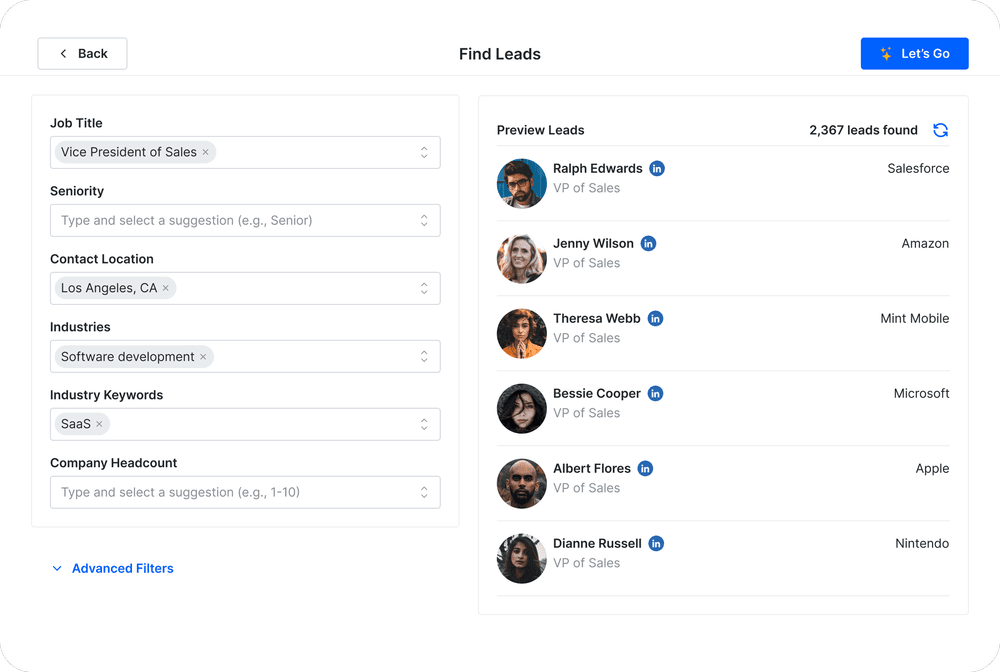
The first step is identifying prospects who match your Ideal Customer Profile (ICP). AI replaces manual searching by scanning large datasets and filtering leads based on fit.
Jeeva AI helps teams find leads using criteria such as job titles, industries, company size, location, and seniority level. This ensures your outreach starts with high-quality, relevant prospects instead of random contacts.
Key benefits:
Faster lead discovery
Better ICP alignment
Reduced manual research
This creates a clean, outreach-ready lead list in minutes.
Automate Cold Email Outreach
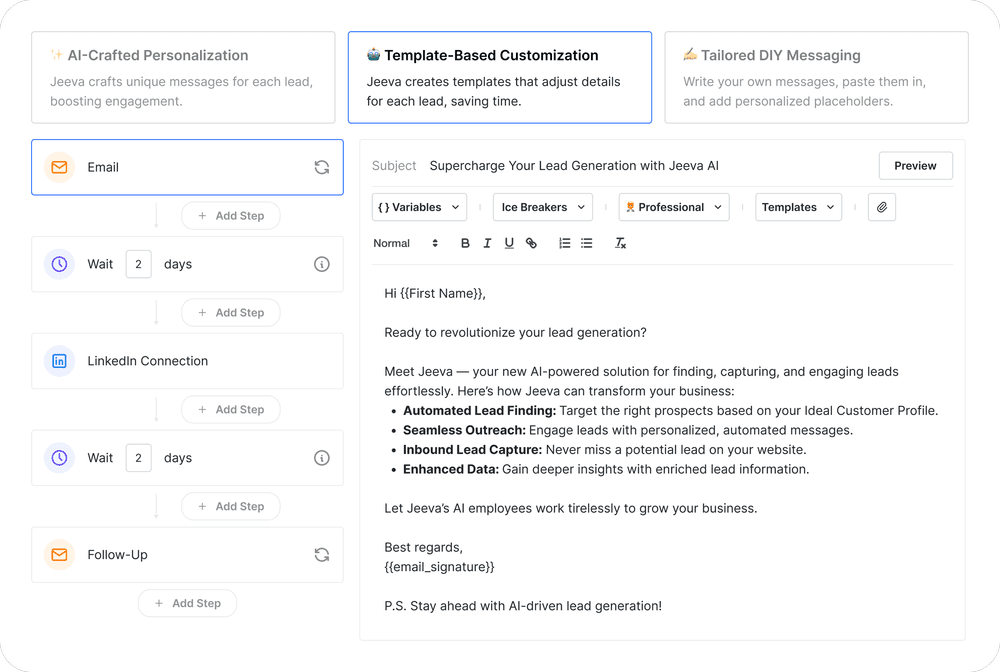
Once leads are identified, AI automates cold email campaigns at scale while maintaining personalization.
AI allows you to:
Personalize emails using icebreakers and dynamic variables
Adjust tone to match your brand voice
Use proven templates for different use cases
Run multi-step follow-up sequences automatically
Fact: According to Salesforce, automated emails can increase click-through rates by up to 199% while reducing marketing costs by up to 80%.
Automation ensures every lead receives timely, relevant communication without manual effort.
Use Chatbots for Lead Generation
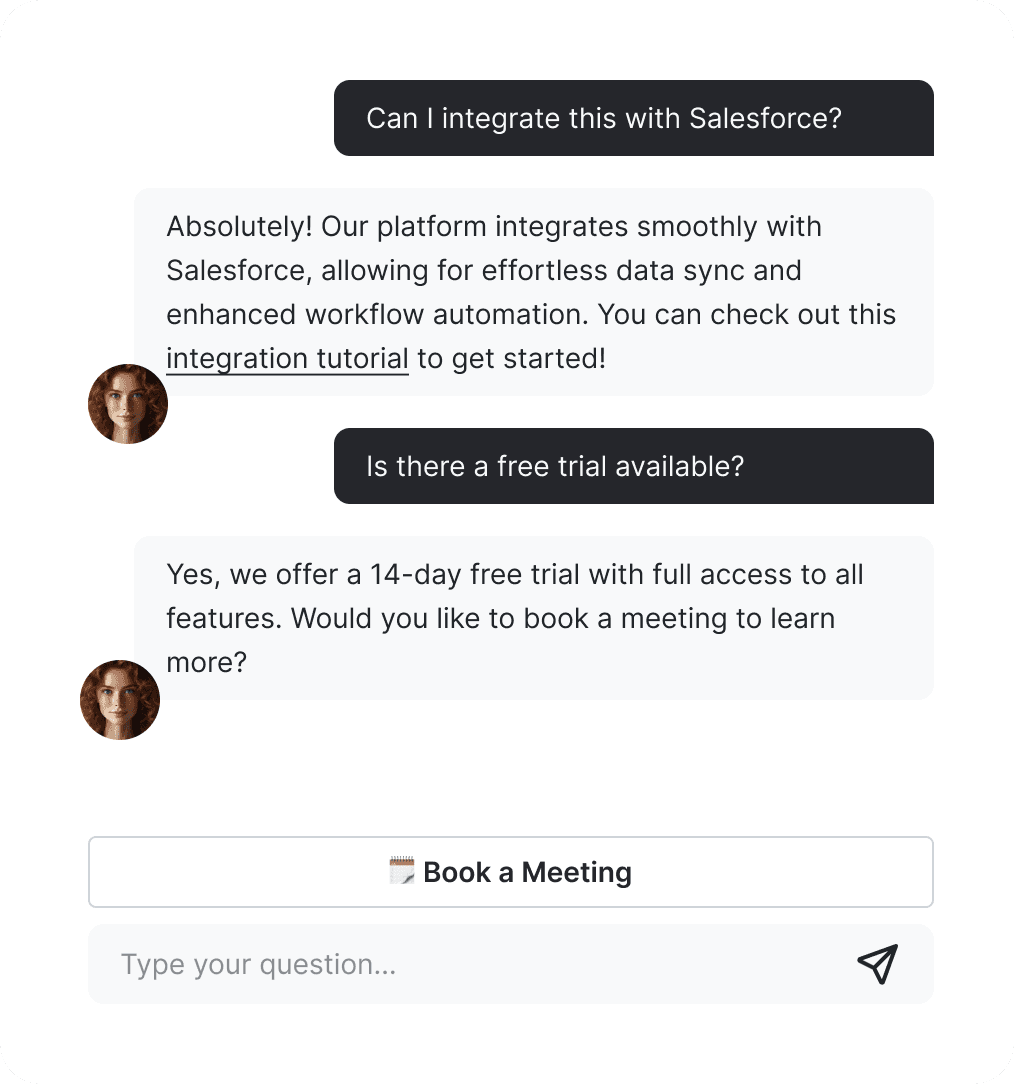
Chatbots are no longer limited to customer support. They are now a powerful lead generation and qualification tool.
AI chatbots:
Engage website visitors instantly
Answer common questions in real time
Qualify leads based on intent
Route high-intent prospects to sales
Operate 24/7 without human intervention
Fact: Businesses have saved approximately $11 billion using chatbots, with up to 30% reduction in support costs.
Chatbots capture and nurture leads the moment interest appears, preventing drop-offs.
AI vs Manual Prospecting : Comparison Table
Task | Manual Prospecting | AI Prospecting |
|---|---|---|
Company Research | Hours | Seconds |
Email Discovery | Slow | Instant |
Enrichment | Manual | Automated |
Follow-Ups | Inconsistent | Never missed |
Personalization | Limited | Real-time |
Scaling | Difficult | Unlimited |
How Agentic AI Fully Automates Prospecting
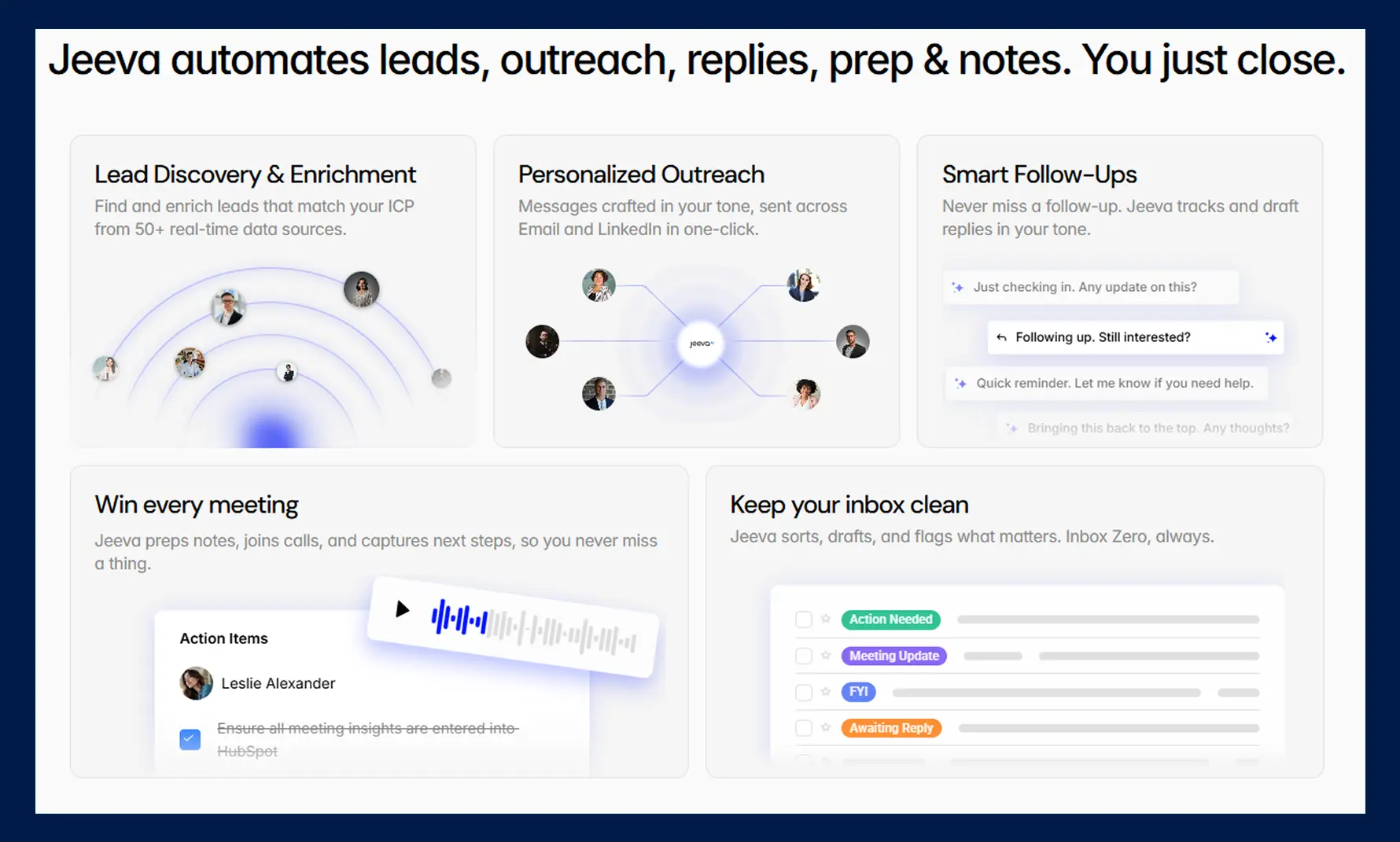
Agentic AI automates prospecting by coordinating multiple specialized AI agents that work together like a full sales development team. Instead of relying on manual research and follow-ups, these agents discover leads, enrich data, personalize outreach, qualify responses, and schedule meetings automatically.
Fact: Jeeva AI users save 10 - 14 hours every week by removing manual prospecting work.
Agentic AI systems operate continuously and adapt in real time. Each agent focuses on a specific task, while sharing context across the workflow to keep outreach accurate and timely.
Jeeva AI’s Agent Workflow
Prospector Agent: Identifies ICP-fit companies and decision-makers
Enrichment Agent: Adds real-time firmographic, technographic, and contact data
Writer Agent: Creates personalized emails using live context
Inbox Agent: Reads replies, detects intent, and qualifies leads
Calendar Agent: Books meetings automatically without back-and-forth
Together, these agents remove delays and handoffs from prospecting. Sales teams receive qualified meetings without manual sourcing or follow-up.
👉 Read About : Top Five AI Sales Tools to Supercharge B2B Lead Generation
How AI Automates Follow-Ups?
AI automates follow-ups by continuously tracking prospect behavior and taking action at the right time without manual reminders or guesswork. Instead of relying on reps to remember who to follow up with and when, AI systems monitor opens, clicks, replies, and inactivity to decide the next step automatically.
Follow-ups are no longer static or scheduled blindly. AI adapts message timing, content, and tone based on how each prospect behaves, ensuring outreach stays relevant and persistent without becoming spammy.
Follow-Up Tasks AI Handles
Send reminders: Automatically follows up when a prospect hasn’t replied within a defined window
Classify replies: Detects positive interest, objections, questions, or no-interest responses
Handle objections: Responds with context-aware answers or routes to the right next step
Rewrite messages: Adjusts tone, length, or angle based on previous engagement
Suggest next steps: Recommends demos, calls, or additional content based on intent
Move deals to CRM: Updates lead status, stages, and notes automatically
AI ensures no lead is forgotten and no opportunity stalls due to slow follow-up. This creates consistent engagement, faster responses, and higher conversion rates without increasing manual effort.
Conclusion
AI lead generation removes the most time-consuming and error-prone parts of prospecting research, enrichment, validation, scoring, and follow-ups and replaces them with intelligent, automated systems. Instead of working with outdated spreadsheets or incomplete databases, sales teams now receive verified, enriched, and prioritized prospects that are ready for outreach.
By automating these foundational steps, AI eliminates guesswork from prospecting. Leads are continuously updated, scored based on real buying signals, and segmented according to fit and intent. This ensures that outreach efforts are focused on the right accounts at the right time, improving reply rates, deliverability, and pipeline quality.
Most importantly, AI changes how sales teams spend their time. Reps no longer waste hours cleaning data or deciding who to contact. They focus on meaningful conversations, tailored demos, and closing opportunities. As a result, AI lead generation doesn’t just increase efficiency it creates a more predictable, scalable, and high-performing sales engine.
FAQ
How does AI automate prospecting for sales teams?
How does AI automate prospecting for sales teams?
Can AI personalize cold outreach?
What tools help automate AI lead generation?
Does AI replace SDRs?