Introduction to Enterprise Ready Architecture
Enterprise teams across the US, UK, Canada, and Australia are rapidly adopting agentic AI to automate sales, operations, and customer intelligence. However, large organizations cannot deploy AI without strong architecture, clear compliance, and tight security.
Agentic AI must be explainable, auditable, and fully aligned with enterprise governance before scaling across teams.
This guide explains the exact components that make agentic AI “enterprise-ready,” with embedded links to related resources such as Agentic AI B2B Sales Guide, multi-channel automation frameworks, compliance best practices, and more.
Why Do Enterprises Need a Strong Architecture for Agentic AI?
Enterprises handle massive data volumes, strict security policies, and complex tech stacks. A strong architecture ensures agentic AI runs safely, scales easily, and stays stable across all workloads. Without it, enterprises risk outages, poor performance, and data exposure.
Fact: 82% of enterprises refuse to adopt AI platforms that lack proven architectural reliability (Gartner).
What Defines an Enterprise-Ready Architecture?
It is the foundation for safe and scalable AI.
Built on cloud-native infrastructure
Supports multi-agent orchestration
Offers modular and API-first design
Provides redundancy + failover
Includes real-time system monitoring
Ensures high uptime (99.9%+)
A strong architecture allows AI to perform safely across global teams.
Enterprise AI Architecture Layers:
Layer | Description | Why It Matters |
|---|---|---|
Data Layer | Secure input & storage | Protects enterprise PII |
AI Layer | Multi-agent engine | Ensures high accuracy |
API Layer | Integrations & workflows | Enables automation |
Governance | Rules, access, logs | Required for audits |
Security | Encryption & firewalls | Reduces risk |
Monitoring | Alerts & logs | Ensures stability |
How Does Compliance Influence AI Deployment in Enterprises?
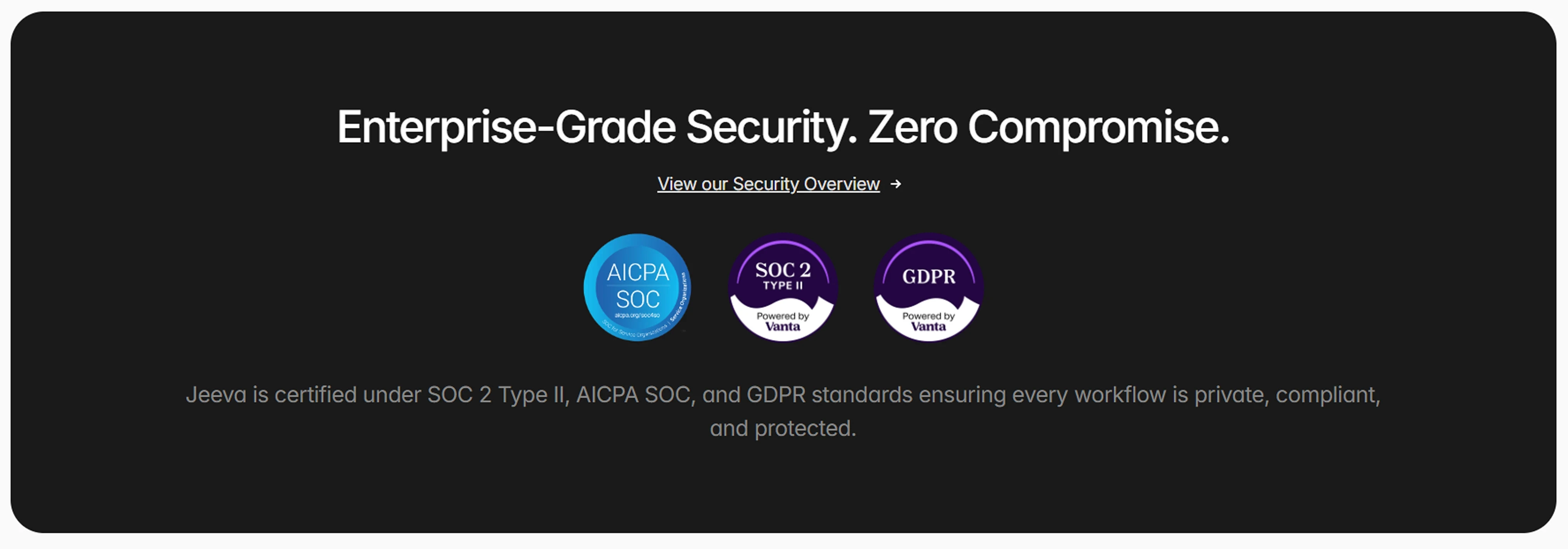
Enterprises operate under legal frameworks like GDPR, CCPA, PIPEDA, and the UK Privacy Act. Agentic AI must respect these laws during training, inference, logging, and data exchange. Compliance protects privacy, avoids penalties, and enables safe scaling.
Fact: CCPA violations reach $7,500 per record, making non-compliance unaffordable.
Related guide: CCPA-Compliant Lead Enrichment in the US
Key Compliance Areas to Consider
Compliance keeps AI aligned with legal frameworks.
GDPR / UK-GDPR
CCPA / CPRA
SOC 2 Type II
HIPAA
ISO 27001
Regional data residency
Compliance frameworks build long-term trust and safety.
What Security Controls Must Agentic AI Follow?
Security determines whether enterprises can deploy AI across teams. Encryption, authentication, and threat monitoring ensure the AI system never leaks or misuses sensitive data.
Fact: 63% of CISOs identify AI-driven data leakage as their #1 security concern.
🟦 Related reading: How to Clean & Validate a B2B Email List for US Requirements (valid data helps reduce breach risk)
Required Security Controls
Security must exist at every stage.
End-to-end encryption
MFA for all users
Role-based access control
API rate limiting
SOC 2 aligned practices
Continuous threat scanning
Security protects enterprise workflows from internal and external threats.
How Do Enterprises Maintain Full Data Control in AI Systems?
Enterprises need to control where data lives, how long it is stored, and who can access it. Agentic AI must support full data governance to prevent unauthorized access and accidental retention.
Fact: 71% of enterprises demand complete data retention logs before approving AI tools.
🟦 Deep-dive: Lead Enrichment & Agentic AI
Data Control Must Cover
Data control prevents misuse at scale.
Regional data storage
Zero data retention options
Enterprise-owned encryption keys
Strict access permissions
Automatic deletion workflows
Vendor transparency
Good data governance ensures AI remains trustworthy.
Compliance Requirements by Region
Region | Required Standards | Enforcement Strength |
|---|---|---|
US | CCPA, SOC 2 | Medium–High |
UK | GDPR | High |
Canada | PIPEDA | Medium |
Australia | Privacy Act | Medium–High |
Why Is Multi-Agent Architecture Safer Than Single-Agent AI?
Multi-agent AI isolates responsibilities across specialized agents. This prevents over-permissioning and reduces the risk of unpredictable decisions. Enterprises prefer multi-agent frameworks for their reliability.
Fact: Multi-agent systems reduce operational AI errors by 40%.
🟦 Related system: Agentic AI B2B Sales Guide (explains multi-agent models for sales)
Multi-Agent Architecture Benefits
Each agent stays within its scope.
Scoped permissions
Sandboxed tasks
Lower error probability
Clear reasoning trails
Better monitoring
Safer automation
Multi-agent models offer superior governance and reliability.
Why Is Auditability Essential for Enterprise AI?
Enterprises must know exactly what AI did, when it did it, and why. Audit logs support legal compliance, risk reduction, and forensic investigation. Without auditability, AI becomes ungovernable.
Fact: 88% of enterprise IT teams demand exportable audit logs for all AI actions.
🟦 Related reading: AI Lead Enrichment for Real-Time Email Outreach (real-time logs matter for AI enrichment)
What Makes AI Fully Auditable?
Auditability keeps AI transparent.
Timestamp logs
Agent-level activity logs
Error logs
API event logs
Permission-based access
Exportable audit trails
Clear audit logs build trust and simplify compliance audits.
How Important Are Integrations for Enterprise-Grade Agentic AI?
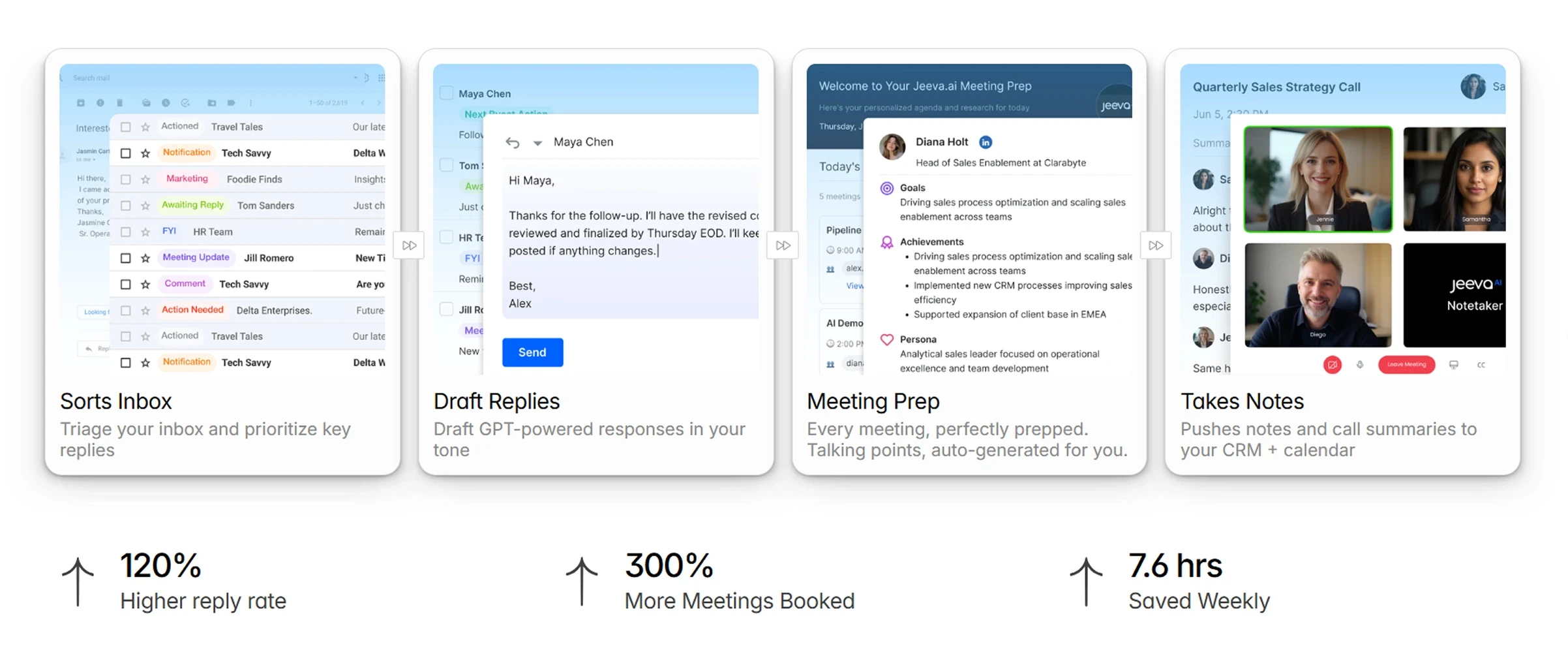
AI must integrate with existing CRMs, data warehouses, and orchestration tools. Enterprises don’t want isolated AI - they want connected workflows across sales, ops, and support teams.
Fact: Integrated AI improves operational automation by 30–50%.
🟦 Related multi-channel solution: Multi-Channel Sales Automation with Agentic AI
Essential Integrations
Integration makes AI usable daily.
CRM platforms (Salesforce, HubSpot)
Data warehouses
Email systems
Chat platforms
Security tools
Internal dashboards
Integrations ensure AI fits naturally into enterprise workflows.
Multi-Agent vs Single-Agent AI
Feature | Multi-Agent AI | Single-Agent AI |
|---|---|---|
Permissions | Scoped | Wide |
Risk Level | Low | Higher |
Transparency | High | Medium |
Accuracy | High | Medium |
Governance | Strong | Weak |
Enterprise Fit | Excellent | Limited |
How Do Global Enterprises Manage Risk When Deploying Agentic AI?
Risk management prevents compliance violations, data exposure, and operational downtime. Enterprises need governance frameworks to ensure AI behaves predictably at scale.
Fact: 54% of enterprises categorize AI risk as a board-level threat.
🟦 Related comparison: Intent Data vs Firmographic Data (risk also depends on data quality)
Components of AI Risk Management
Risk frameworks protect enterprise teams.
Governance boards
Vendor risk assessments
Data classification
Access limitations
Incident response
Ongoing audits
Strong risk policies reduce uncertainty and improve adoption.
How Does Jeeva AI Deliver Enterprise-Ready Architecture & Compliance?
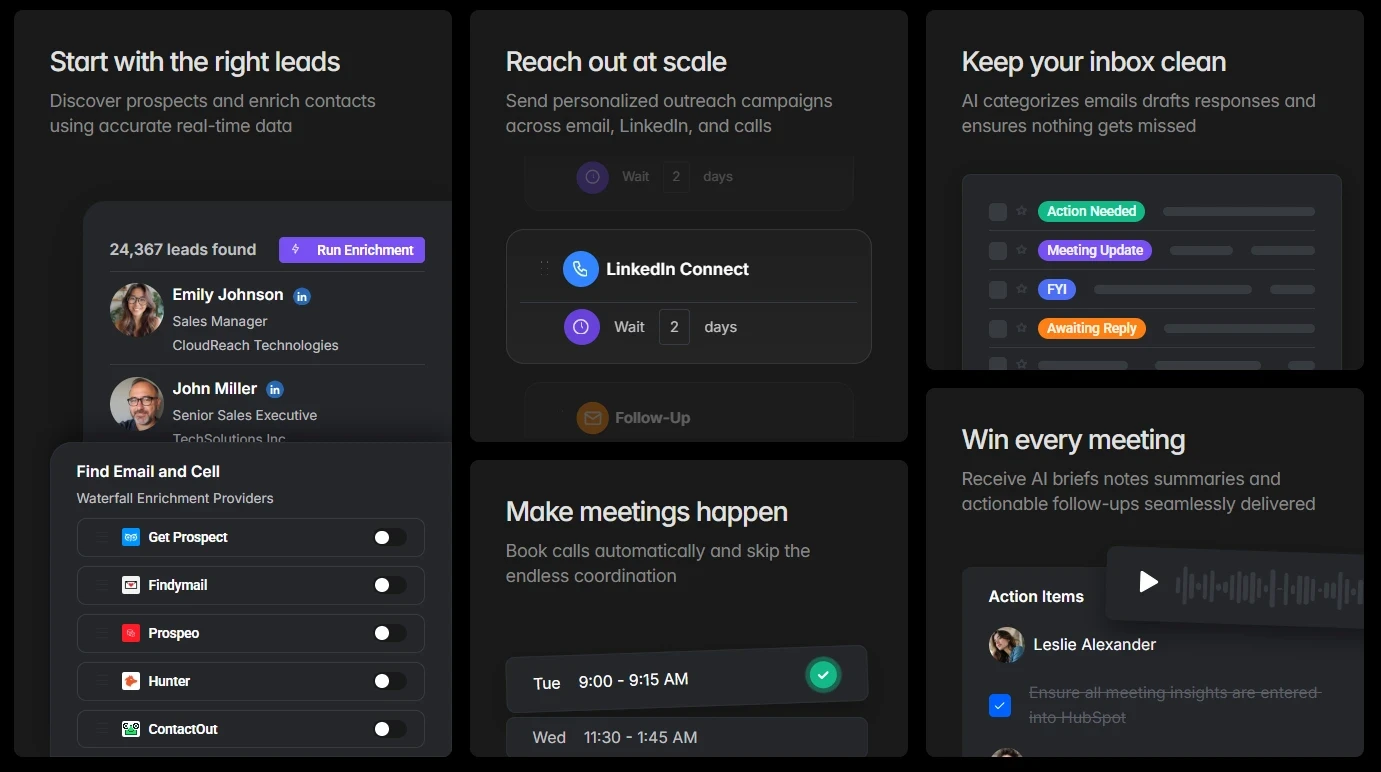
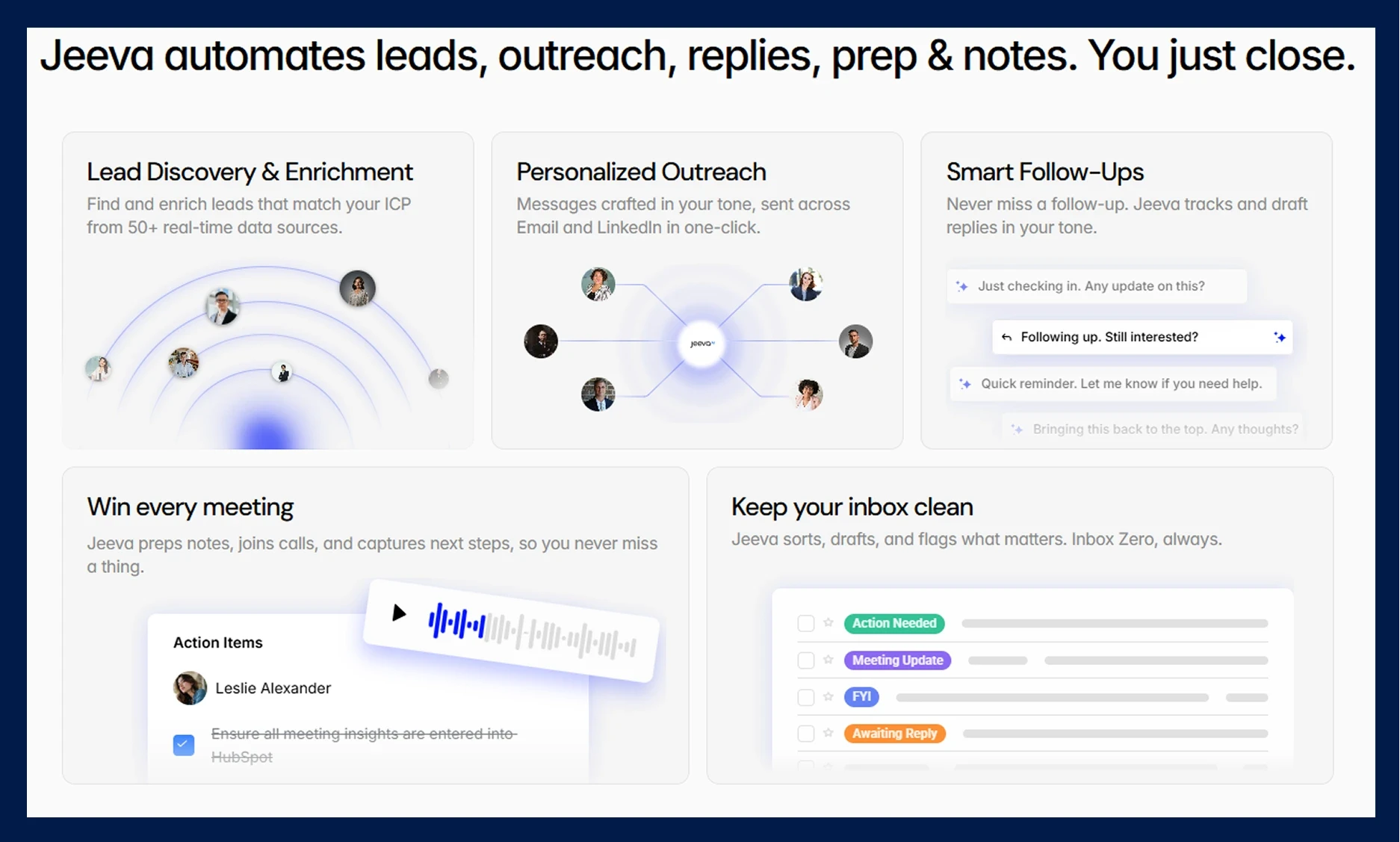
Jeeva AI is built on a multi-agent engine designed for enterprises that need compliance, transparency, and security. It aligns with SOC2, GDPR, CCPA, and global security standards.
Fact: Teams using Jeeva AI automate 50–70% of workflows without violating compliance boundaries.
🟦 Related resource: Technographic Signals for Enterprise Lead Prioritization (Jeeva uses technographics in its AI agents)
Jeeva AI Enterprise Features:
It’s designed for secure AI at scale.
Multi-agent AI system
SOC2 compliant workflows
Regional data residency
Zero data retention options
Deep integrations
Full auditability
Jeeva AI gives enterprises safer, smarter, and more reliable automation.
How Can Enterprises Adopt Agentic AI Safely and at Scale?
Enterprises should adopt AI gradually, starting with low-risk workflows and expanding as systems prove stable. Phased adoption reduces risk and improves long-term success.
Fact: Phased AI rollouts lead to 2× higher adoption rates.
🟦 Related LinkedIn automation use case:Automated LinkedIn Outreach for US Tech Startups
🟦 Related multi-channel engine: Email + Chat + Calendar Booking Sequences
Steps for Safe AI Adoption
Adoption must be structured.
Start with controlled workflows
Set governance guidelines
Enable monitoring
Train internal teams
Deploy in phases
Expand to full scale
Phased adoption ensures AI becomes a stable long-term asset.
Conclusion : Enterprise ready agentic AI
Enterprise-ready agentic AI requires secure architecture, global compliance, multi-agent safety, and transparent governance. With strong controls, AI becomes a powerful automation engine supercharging operations without risk.
Jeeva AI provides the infrastructure, compliance frameworks, and enterprise controls required for global teams across the US, UK, Canada, and Australia.
FAQ
What makes agentic AI “enterprise-ready”?
Why is compliance important when using agentic AI?
How does a multi-agent AI architecture improve security?
Can agentic AI integrate with existing enterprise systems?
How does Jeeva AI support secure enterprise deployment?